Jeroen Dik didn’t become famous overnight in automotive performance tuning and motorsport engineering. As a kid in Lochem, Netherlands, he would take apart anything with an engine just to see how it worked. His traditional techniques mixed with modern aesthetics created a style nobody else had. That artistic journey began in his father’s garage and turned into a global influence.
He earned respect because his racing legacy proves that everything he teaches actually works under pressure. Winning the 2011 championship wasn’t luck—it showed his engineering innovations deliver real results. His company focuses on performance reliability, not just big horsepower numbers that sound impressive. People trust him because results matter more than marketing hype, and contemporary elements blend perfectly with old-school wisdom that stands the test of time.
Jeroen Dik Biography
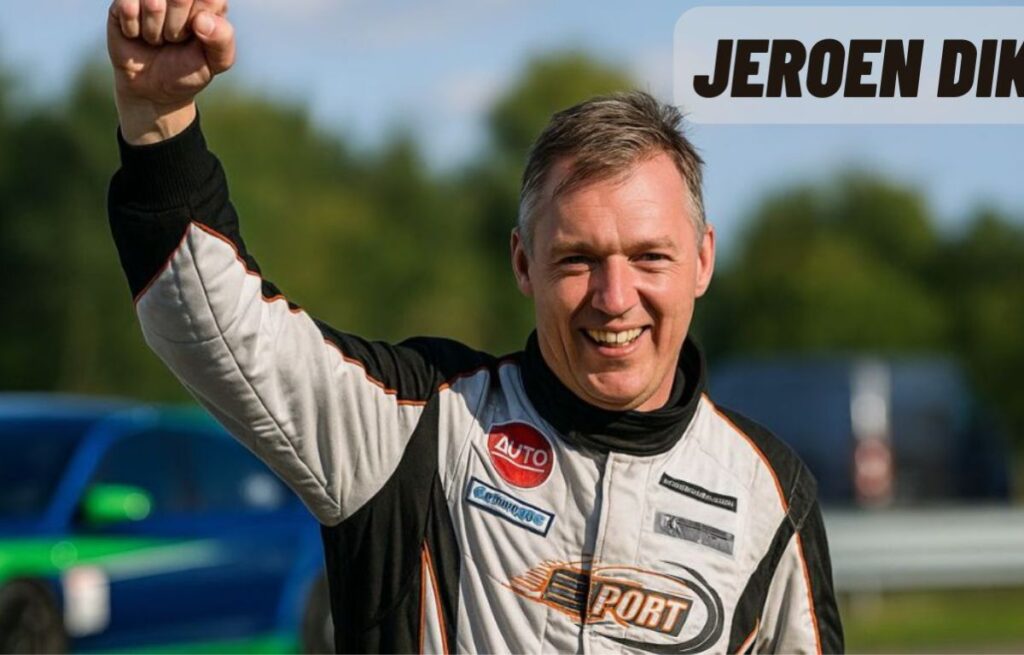
When car lovers talk about real engineering innovations, his name comes up first. Jeroen Dik changed how people think about making fast cars that you can drive every day without breaking down.
Why His Name Dominates the Automotive Performance Industry
The automotive performance world respects him because he doesn’t just chase horsepower numbers. Instead, he builds machines that balance speed with everyday performance reliability, which most tuners ignore.
His racing legacy speaks through winning championships, not just loud engines. Racing taught him what works on streets, not just tracks. Every contemporary element in his designs serves a real purpose, and that practical wisdom earned him the nickname “Tuning Yoda” among enthusiasts worldwide.
What This Guide Will Cover
This guide walks through Jeroen Dik’s complete story, from childhood curiosity to becoming an industry legend. You’ll discover his personal experiences with racing, his engineering innovations at JD Engineering, and the cultural themes that shaped his philosophy.
We’ll look at his artistic vision for cars that go fast but don’t break down constantly, how he mentors younger tuners, and his thoughts on electric vehicles. You’ll get real stories, technical stuff explained simply, and lessons he learned by actually working on thousands of cars.
Early Life & Personal Background
The 1970s Netherlands wasn’t flashy—people fixed broken stuff instead of replacing it. That’s just how life worked back then, and it taught him skills most kids today never learn.
Childhood Curiosity and Mechanical Roots
Young Jeroen Dik spent weekends watching his father repair motorcycles and farm equipment in their family garage. He’d hand over wrenches and absorb every lesson about engine timing, fuel systems, and troubleshooting mechanical problems.
By age ten, he was rebuilding bicycle engines without supervision, showing natural talent that surprised even experienced mechanics. His bedroom walls covered with engine diagrams and racing posters revealed where his heart belonged, even before professional dreams took shape.
First Encounters With Cars & Engineering
His first real car experience came at age fourteen when a neighbor let him work on a broken Volkswagen Beetle. That air-cooled engine became his classroom, teaching him how traditional art techniques of German engineering created legendary reliability.
He learned that modern art influences meant nothing without understanding the classics first. Spending entire summers under that car, getting oil-stained hands and learning patience, built the foundation for his visual storytelling through automotive design later in life.
Family Influence and Early Mentors
His father wasn’t just a mechanic—he taught Jeroen Dik that rushing through repairs causes more problems than it solves. An uncle who raced locally became another major influence, sneaking him into race paddocks where professional teams worked their magic.
Watching those crews taught him that fine arts training applied to engines too: precision, attention to detail, and respecting your tools mattered as much as raw talent. These cultural narratives from family shaped his belief that good work requires both skill and character.
The Passion That Sparked His Engineering Journey
Loving cars as a kid is one thing. Turning that into a career takes guts, especially when nobody thinks you’ll make it work.
Hobby to Profession — The Turning Point
At nineteen, Jeroen Dik had two paths: grab some boring office job or take a gamble on fixing cars. His friends figured he’d gone nuts choosing grease-stained hands over job security, but deep down he felt it—this was his shot. One day, this old dude shows up, dragging a Golf that’s making noises like a sick animal about to collapse.
A couple of weeks pass, he works his magic, and now that thing runs butter-smooth and actually moves when you step on it. Small towns gossip fast, so pretty soon folks were showing up asking if he could wake up their sleepy engines, too. That moment taught him something crucial—passion means nothing without results people can actually see and feel.
How His Interest in Tuning Grew Over Time
Early work focused on basic repairs, but customers kept asking if he could make their cars faster without breaking the bank. He started reading everything about turbochargers, fuel injection timing, and sculptural traditions of engine building that German manufacturers perfected.
Each successful modification taught him what worked and what just wasted money. By the mid-1990s, his reputation for evolving art styles in engine tuning spread beyond his hometown. People drove hours just to get his opinion on their projects.
See More: Why Does Ksayim Hsiung Want to Be an Ice Skater? Guide 2025
Founding of JD Engineering
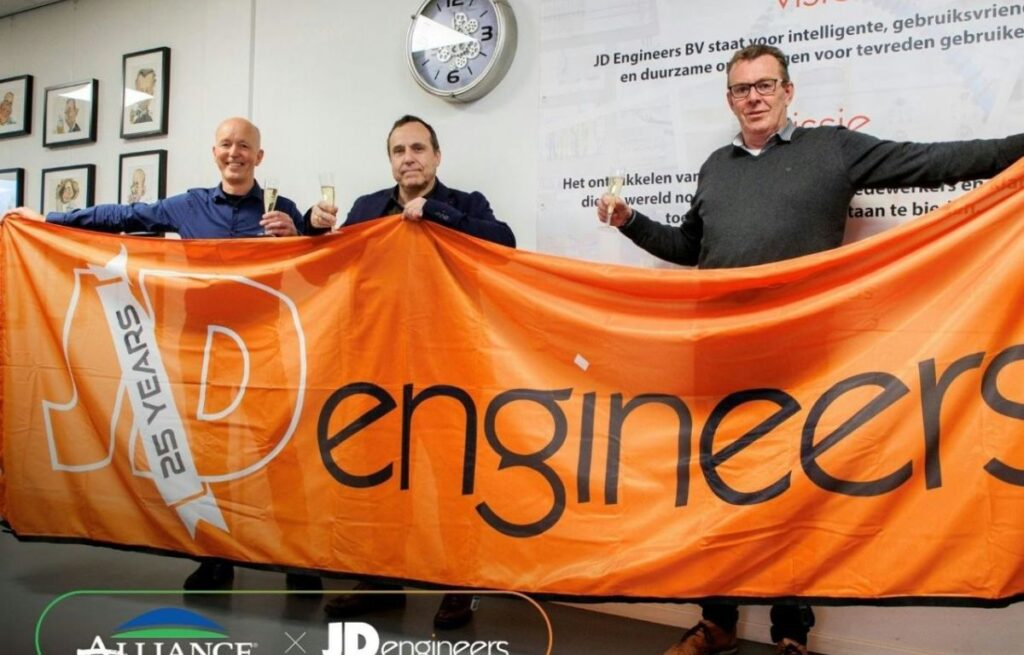
Starting a business sounds exciting until you realize nobody trusts a new company with their expensive car. Building that trust took years of proving himself daily.
Vision, Philosophy & Core Principles
Jeroen Dik founded JD Engineering with a simple idea most tuners ignored: make cars fast enough to enjoy but reliable enough to drive every single day. He watched too many competitors blow engines chasing dyno numbers that looked great on Instagram but left customers stranded on highways.
His creative exploration focused on balance—adding power where engines could handle it safely, not just cramming in the biggest turbo possible. This philosophy came from personal experiences of seeing friends destroy expensive cars by rushing modifications without proper testing or understanding mechanical limits.
“Power You Can Live With” — What It Means
That phrase became JD Engineering’s motto because it separates real tuners from pretenders who just want bragging rights. “Power you can live with” means your modified car starts every morning, handles daily traffic without overheating, and doesn’t need constant expensive repairs.
It respects environmental themes in art by not wasting fuel through poor tuning decisions. Jeroen Dik believed customers deserved modifications that enhanced their lives instead of creating endless headaches. This approach built loyalty because drivers could actually use their cars instead of babying them like fragile showpieces.
Early Struggles, Breakthroughs & First Wins
The first two years nearly broke him financially because customers were scarce and suppliers didn’t offer credit to unknown shops. He worked sixteen-hour days, doing everything from answering phones to rebuilding transmissions himself.
His breakthrough came when a local racing team needed emergency ECU tuning before a championship race, and his mixed media techniques of combining old-school mechanical knowledge with new digital tuning software saved their season. That win brought media attention, and suddenly everyone wanted to know his secrets.
How JD Engineering Became a Tuning Powerhouse
Rome wasn’t built in a day, right? Same deal with JD Engineering—Jeroen Dik just kept delivering results when other shops fell short. Every single euro went straight back into grabbing better equipment and picking up new tricks instead of buying expensive watches or whatever.
He kept notebooks on every single car, writing down what worked great and what flopped hard. By 2005, JD Engineering was the first place people mentioned when talking about making Volkswagens and Audis seriously quick. He studied how the old German engineers designed motors that ran forever, figuring if he understood their historical art inspiration, he could improve on it.
Motorsport Career & Racing Achievements
Racing became way more than weekend fun—it turned into his personal laboratory where ideas either proved themselves or blew up with everyone watching.
Major Milestones & Championship Highlights
Winning that 2011 Toerwagen Diesel Cup championship put Jeroen Dik on the map, showing everyone that diesel motors could hang with gas engines when tuned right. He drove a Volkswagen Golf VI TDI that he’d personally tuned, showing customers his modifications worked under extreme racing conditions.
Before that victory, he’d spent years competing in smaller regional events, learning racecraft and building his contemporary artistic expression through driving style. Every time he stepped on a podium, it made JD Engineering look better and brought in more customers. Racing wasn’t some ego trip for him—each lap taught him something valuable about what actually survives hard use.
Using Racing as a Real-World R&D Lab
Track time shows you problems that never pop up on a dyno—crazy heat buildup, constant shaking, and running hard for lap after lap destroys stuff that looks perfect during quick tests. Jeroen Dik used every race weekend to test new turbo setups, cooling systems, and ECU maps under conditions that mimicked worst-case scenarios.
What failed on track got redesigned before any customer received it, making racing an expensive but invaluable quality control system. His nature-inspired artwork philosophy applied here too: observing how engines behaved naturally under stress taught him more than any textbook ever could.
What Sets His Driving Style Apart
Unlike aggressive drivers who muscled cars through corners, he drove smoothly and calculated every move three turns ahead. His classical painting method approach to racing meant precision over aggression, letting momentum carry him through corners instead of fighting physics.
Competitors noticed he rarely locked brakes or spun tires wastefully, conserving equipment while maintaining competitive lap times. This driving style reflected his tuning philosophy perfectly—efficiency and intelligence beat raw force every time. You’d watch him and think, “This guy knows exactly what that car wants before it even asks.”
Statistics, Records & Career Summary
From 2008 through 2015, Jeroen Dik hit the track over fifty times, though nothing topped winning that 2011 championship. He grabbed fifteen podium spots racing touring cars and endurance events all across Europe.
His Golf VI TDI broke multiple diesel class records for acceleration and lap times at circuits like Zandvoort and Assen. Beyond the numbers, his influences and inspiration came from studying legendary drivers who prioritized consistency over flashy heroics. These racing years provided data that still influences JD Engineering’s tuning approach today.
Engineering Innovations & Signature Projects
Anybody can bolt on aftermarket parts and call it tuning. Creating something that actually works better than stock takes real engineering knowledge and guts to try new ideas.
His Most Famous Builds & Customizations
That championship-winning Golf VI TDI is still what Jeroen Dik gets asked about most—taking a basic diesel family car and turning it into something that won races. He also put together a 500-horsepower Audi S3 that didn’t break down every other week, which blew people’s minds since that much power usually means constant garage time.
Back in the early 2000s, he built a Seat Leon Cupra that perfectly showed his abstract and realism blend approach—it looked bone stock outside but absolutely ripped when you stomped the gas. Each signature build demonstrated the evolution of his style, combining power with practicality in ways competitors couldn’t replicate successfully.
Step-by-Step Tuning Methodology
Jeroen Dik never rushes modifications—he starts by assessing what the customer actually needs versus what they think sounds cool. First comes baseline dyno testing to understand the engine’s current condition and identify weak points that need addressing before adding power.
Then he maps out a staged approach, upgrading supporting systems like cooling, fuel delivery, and exhaust before touching engine tuning. His modern aesthetics philosophy means keeping modifications clean and reversible, respecting the original engineering while enhancing it. Final testing involves extended real-world driving, not just brief dyno pulls that miss potential problems.
Breakthrough Technologies Developed by Jeroen Dik
He pioneered custom ECU mapping techniques for VAG diesel engines that extracted more torque without sacrificing fuel economy or emissions compliance. His hybrid turbo development work created boosted systems that spooled faster than stock turbos while handling significantly more pressure reliably.
Jeroen Dik also developed proprietary cooling solutions that prevented heat soak during aggressive driving, solving problems other tuners ignored until engines overheated. These innovations weren’t flashy marketing gimmicks—they addressed real mechanical limitations through careful engineering and testing. His blogging journey documenting these breakthroughs helped educate the entire tuning community.
High-Performance VAG Builds & Results
Volkswagen, Audi, Seat, Skoda, and Porsche vehicles became JD Engineering’s specialty because their shared platform architecture allowed knowledge transfer between brands effectively. A typical Stage 2 Golf GTI project gained fifty percent more horsepower while improving throttle response and maintaining all safety systems functional.
Jeroen Dik’s Audi RS3 builds regularly produce over 600 horsepower on stock internals without reliability issues reported by customers. His digital content creation included detailed build logs showing before-and-after performance data that proved results weren’t just claims. These consistent outcomes built trust that money alone can’t buy.
JD Engineering’s Rise in the Automotive World
Getting famous in tuning circles doesn’t happen because you talk big—it happens when customers’ cars actually perform better and don’t explode after three months.
Customer Success Stories & Transformations
One customer drove his stock Golf TDI for two hundred thousand kilometers before Jeroen Dik tuned it, then put another hundred thousand on it without issues while enjoying way more power. This young woman bought a beat-up used Audi A3 that drove like a slug, got it tuned at JD Engineering, and now she’s smiling like crazy every highway merge.
Small business guys loved getting their work vans tuned—better fuel mileage meant actual cash staying in their pockets every month instead of going to gas stations. These weren’t magazine feature cars—they were everyday vehicles that people actually depended on, which made the storytelling in blogs about them more relatable and genuine than flashy builds.
What Makes Their Tuning Results So Trusted
Jeroen Dik always tells customers exactly what to expect—no wild promises about insane gains that only exist in perfect dyno conditions. His SEO strategies include posting real customer cars with actual before-and-after numbers instead of cherry-picked results from ideal scenarios.
Every tuned vehicle gets driven hard by the shop before delivery, catching potential problems that might show up during real-world use. He maintains detailed records going back decades, so he knows which modifications hold up and which ones cause headaches later. This content consistency in delivering reliable results year after year built his reputation more than any advertising campaign ever could.
Business Values — Integrity, Quality & Reliability
Honesty matters more than quick sales at JD Engineering—Jeroen Dik regularly turns away customers whose expectations don’t match reality or whose cars aren’t suitable for aggressive tuning. He’d rather lose a sale than damage someone’s engine and wreck his reputation with shortcuts. Quality means using the right parts even when cheaper alternatives exist, because failed components cost way more than doing it correctly the first time.
His niche selection focused on VAG platforms where his expertise ran deepest instead of trying to tune everything poorly. Everything comes down to keeping cars reliable because audience engagement means customers telling their buddies about you, not dealing with angry people whose cars broke down three months later.
Influence, Mentorship & Community Impact
You know who folks actually respect? The ones who pulled them up when they were struggling, not the ones flexing about their own wins on Instagram.
Earning the Title “The Tuning Yoda”
People started calling Jeroen Dik “Tuning Yoda” because he’d drop knowledge that seemed simple but completely changed how you understood engines. Someone asks him something super complicated with all these technical terms, and bam—he breaks it down so simple your grandma could get it. The rest of the garage is losing their minds over some issue while he’s just there, calm as can be, working through it step by step like that green Jedi dude.
He got the name because he actually explains the logic, not just barking “turn this screw, change that setting” without saying why it matters. His personal development content pushed people to grasp the thinking behind decisions instead of just copying steps like robots.
Knowledge Sharing, Workshops & Training
Jeroen Dik runs workshops where you actually get your hands dirty instead of watching slideshows all day. He takes people through live ECU remapping, talking out loud about why he’s changing fuel maps and ignition timing right there in front of you. His online community building includes answering forum questions at weird hours because somebody’s stuck and needs help right now.
The workshops don’t cost an arm and a leg because he remembers when learning this stuff meant spending money you didn’t have. His social media promotion approach gives away knowledge for free, figuring that when everybody gets better, the whole scene improves instead of keeping tricks secret like some dragon hoarding gold.
Role in the European Tuning Community
Within European tuning circles, Jeroen Dik serves as the guy people call when they’re truly stuck on something complex. He worked with other top tuners creating safety standards for modifications, basically writing rules that keep customers safe from sketchy work. Sharing his failures along with wins made other people feel okay about admitting mistakes and learning from them instead of pretending everything always goes perfectly.
Shops all over Europe say he helped them survive those rough first years, dropping advice without wanting anything back. When it comes to partnerships, he sticks with companies building parts he’d bolt onto his own car—not just whoever dangles a fat check in front of him.
Challenges He Faced & Lessons Learned
Look, everybody takes hits when building something worth a damn. What matters is whether you stay down or get back up swinging.
Regulatory Shifts & Emission Compliance
The rules around emissions in Europe kept getting tighter and tighter, so Jeroen Dik had to basically relearn his whole approach to tuning. Stuff that was totally fine in 2005 became flat-out illegal ten years later—meant buying new gear and figuring out different testing methods. Customers still wanted their cars faster, while the government was ready to hammer anyone breaking emission limits with massive fines.
Some shops just ignored the new laws and ended up getting wrecked when inspectors showed up, but he spent time figuring out legal ways to boost performance. His website management challenges included updating information constantly as regulations changed across different European countries, each with slightly different emission standards and testing requirements.
Technological Evolution in Tuning
Early tuning meant physically changing parts—different jets, cams, and mechanical adjustments that took hours of labor. Then ECU tuning arrived, letting Jeroen Dik make bigger changes faster through software instead of wrenches. The learning curve was brutal because computers and code felt foreign compared to the mechanical work he’d mastered over decades.
Younger competitors who grew up with technology had advantages initially, pushing them to take programming courses and invest countless hours understanding digital systems. His authentic writing about this struggle resonated with older mechanics facing similar transitions, showing vulnerability rather than pretending adaptation came easily to him.
Racing Risks, Failures & Comebacks
Racing destroys parts and egos equally well—Jeroen Dik experienced both throughout his motorsport career. Picture this: last lap of a race, he’s out front, then boom—turbo grenades itself and there goes the championship he’d been chasing all year. Different race, different nightmare—his custom cooling setup quits working right when everyone important is watching, engine overheats, total embarrassment.
These public failures hurt, but he documented what went wrong and shared those lessons openly with customers and fellow tuners. His storytelling voice never glossed over mistakes, instead using them as teaching moments that built trust through honesty about the realities of pushing performance limits.
How He Maintained Quality While Scaling
Growing JD Engineering from a one-man operation to a respected business created constant pressure to cut corners for faster profits. Jeroen Dik watched competitors expand rapidly by hiring cheap labor and rushing jobs, only to collapse when quality complaints destroyed their reputations. He chose slow, deliberate growth instead—training staff thoroughly, even though it took months before they could work independently.
Every new employee shadowed him on projects, learning the philosophy behind decisions rather than just following checklists mindlessly. His personal growth meant accepting he couldn’t personally touch every project anymore while ensuring his standards lived on through properly trained team members who shared his commitment to reliability.
Adapting to the Future: EV & Hybrid Tuning
Electric vehicles are shaking everything up in the car world right now. Either you figure out how to work on these things, or your shop becomes history.
His Approach to Electric Vehicle Performance
Jeroen Dik admits electric vehicles felt weird at first—no engine noise, no exhaust smell, just instant torque and silence. Everything he knew about adjusting carburetors and timing belts? Completely useless when you’re staring at battery packs and electric motors. So he went back to school basically, taking courses on high-voltage systems and learning EV software inside and out.
Turns out the core stuff he learned over the years—managing heat, delivering power smoothly, making drivetrains efficient—still applies no matter what’s pushing the car forward. Today, JD Engineering tunes Teslas, Porsche Taycans, and Audi e-trons, showing you can teach old mechanics new technology if they’re willing to put in work.
Innovations in Hybrid Optimization
Hybrids present unique blogging challenges because they combine both worlds—gasoline engines and electric motors working together create complexity that traditional tuners rarely encounter. Jeroen Dik figured out ways to smooth out that annoying jolt some hybrids have when they switch from electric to gas mode. Working on stuff like Porsche Panamera hybrids and Audi plug-ins, he focuses on getting the most electric-only range for your daily drive while still having all the power there when you need it.
Keeping batteries from overheating became super important—when you push hybrids hard, they create tons of heat that kills battery life fast if you don’t handle it right. His recognition in the blogging world grew as he documented these hybrid projects, attracting attention from manufacturers interested in his practical approach to balancing efficiency with performance.
Personal Life, Values & Ethics
Cars don’t define a person’s whole existence, even when they’re your passion and paycheck. There’s life outside the garage that shapes who you become.
Life Beyond Engineering & Racing
When Jeroen Dik isn’t covered in motor oil, he’s out doing regular stuff—hiking with family, messing around in the kitchen, visiting places that don’t have anything to do with cars. His wife basically saved him from himself back when starting the business meant working until you dropped, reminding him that money’s worthless if you’re too wrecked to enjoy anything.
He’s got this thing for old motorcycles, loves how simple they are compared to today’s computer-filled machines. Most weekends, he disappears to his cabin, where phone signals die, and nobody can bother him about work. This balance prevents the burnout he watched destroy other talented tuners who never learned when to step away.
Work–Life Balance & Personal Interests
Jeroen Dik figured out the hard way that grinding eighty hours a week will eventually wreck your body and mind. Years ago, he pushed himself so hard his health tanked, forcing him to step back and think about what actually mattered. These days, he’s got rules—doors close at six unless something’s on fire, and Sundays are sacred no matter who’s calling.
His plans involve more teaching and less wrenching, handing off knowledge to younger folks while gradually backing away from running everything himself. Photography snuck up on him as something he genuinely enjoys, shooting car events and scenery when traveling. These interests outside of tuning keep his mind fresh and prevent the tunnel vision that limits creativity.
His Philosophy on Ethics in Tuning
Jeroen Dik believes modifying cars carries real responsibility because mistakes can literally kill people driving at high speeds. He refuses projects where customers want modifications that compromise safety just for social media clout or bragging rights. His ethical stance includes being honest about realistic expectations—if a budget can’t support safe modifications, he’ll say so rather than taking money for dangerous work.
Environmental responsibility matters too; he won’t remove emissions equipment illegally even when customers offer premium prices for the service. This artistic vision sees tuning as improving what manufacturers built rather than destroying it through careless modifications. His reputation survived decades because ethics guided business decisions even when cutting corners would’ve been more profitable short term.
Frequently Asked Questions (FAQs)
Who is Jeroen Dik?
He’s a Dutch automotive tuner and racer who founded JD Engineering. Won the 2011 Toerwagen Diesel Cup and earned the nickname “Tuning Yoda” for his expertise.
What is JD Engineering known for?
Tuning VAG vehicles (Volkswagen, Audi, Seat, Skoda, Porsche) with a focus on reliable daily performance. They’re famous for the “power you can live with” philosophy that balances speed and dependability.
What makes his tuning approach unique?
Jeroen Dik prioritizes reliability over peak numbers—cars actually work long-term instead of breaking after Instagram photos. He tests everything through racing before customers get it.
Is JD Engineering involved in EV tuning?
Yes, they now tune electric and hybrid vehicles, including Tesla, Porsche Taycan, and Audi e-trons. Adapted traditional knowledge to modern electric powertrains successfully.
How did he get the title “Tuning Yoda”?
His calm problem-solving and ability to explain complex concepts simply reminded people of Yoda. He teaches the why behind modifications, not just the how.
Conclusion
Jeroen Dik transformed from a curious kid fixing broken engines into a legend who shaped European automotive tuning culture. His journey proves that combining passion with ethics, innovation with reliability, and racing with real-world application creates lasting impact. Check out more about VAG performance tuning at Speedhunters for additional industry insights and builds.

I’m Muhammad Saqlain, the founder of WealthyInfo.com. I research and write about Shark Tank businesses, startup growth, and brand net worth. My goal is to provide clear, accurate, and insightful content that helps readers understand how startups evolve after investment and media exposure. I’m passionate about content strategy, SEO, and building digital authority in the finance and entrepreneurship space.